HOW THE MEDIA INFLUENCES CHILDREN'S DIET AND FOOD CHOICES
Unhealthy eating options are more prevalent than one would like to believe. As a society we must work to change our eating habits. As parents and teachers it our responsibility to set the example for the children. Today's society relies heavily on fast food and processed foods.
Often, both parents work full time and don't have the time or energy to make large healthy meals; therefore frozen, packaged and canned foods are the bulk of the family meals. These foods are often packed full of sodium and sugar and go beyond just Hamburger Helpers and Mac & Cheese: peanut-butter, trail mixes, breakfast cereals, granola bars, etc., which are foods most would consider healthier options, are still filled with sugar.
Close attention also needs to be paid to what children are drinking. Although water is always the best choice, parents often choose what they believe to be the next best option, such as juices and sport drinks. This appears to be the next best thing; however taking a closer look at the labels you will see that many of these drinks are packed with sugar and sodium just as the packaged foods.
Not only do parents not have the time to prepare large healthy meals today, children are often given large unhealthy snacks. Once again this is where parents need to do pay close attention to the snack. What may appear as a healthy snack, such as applesauce packs, can be filled with high sugar and sodium content.
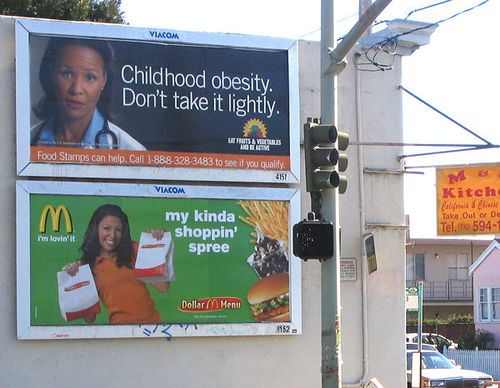
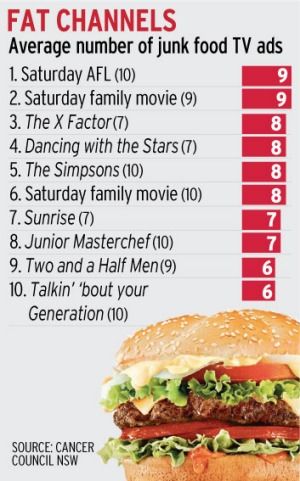 Although parents need to pay close attention to what they are giving their children to eat, it is not as easy as it sounds. We live in a world where the media and technology influence almost our every move. Harvard research first linked television to obesity more than 25 years ago. Children are exposed to unhealthy options almost every time they watch TV, go online, or listen to the radio. Studies have shown that children who regularly watch TV consumed more junk food and had more distorted view of healthy portion sizes.
Research continues to show that there is a strong correlation between the increased marketing of non-nutritious foods to children and the rates of childhood obesity. Food and beverage ads make up 50% of all ad time on children's shows and are primarily dominated by unhealthy foods:
- 34% candy/snacks
- 28% cereal
- 10% fast food
- 4% dairy products
- 1% fruit juices
- 0% of the ads showed fruits and veggies!
Read more about the causes and prevention of childhood obesity in our online childcare classes:
Feeding Children: Infants/Toddlers