Child Development Theory
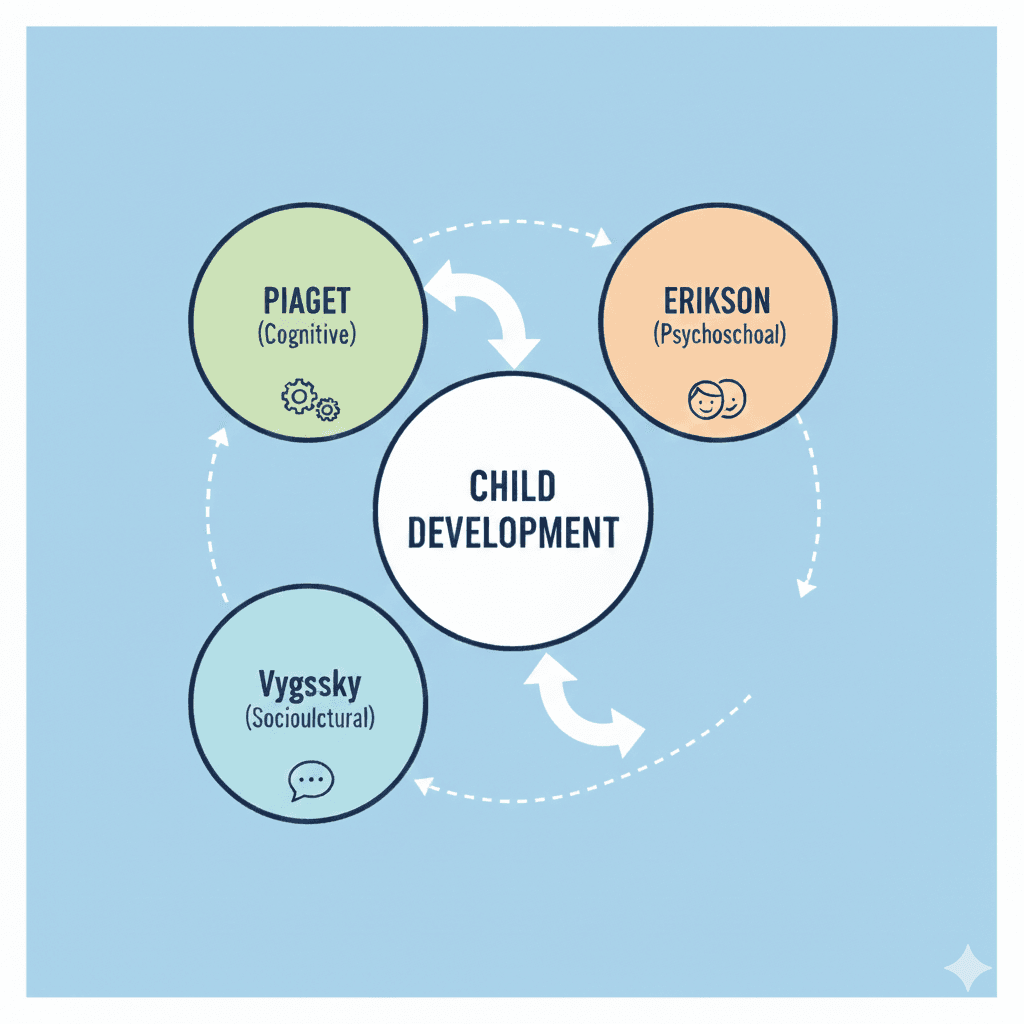
This advanced-level class discusses the abstract symbolic reasoning theory from Jean Piaget, the development of personality by Erik Erickson, and the theory developed by Lev Vygotsky that explained social interaction as the primary source of cognition and the behavior that results from that thought process.
Goal: to understand theories on intellectual, emotional and social development.
 This mobile-friendly class is accessible on any device, including tablets and phones.
What customers are saying about this class:
"Helps me see clearer through the eyes of a child."
Child Development Theory
Course Goal
To understand theories on intellectual, emotional, and social development.
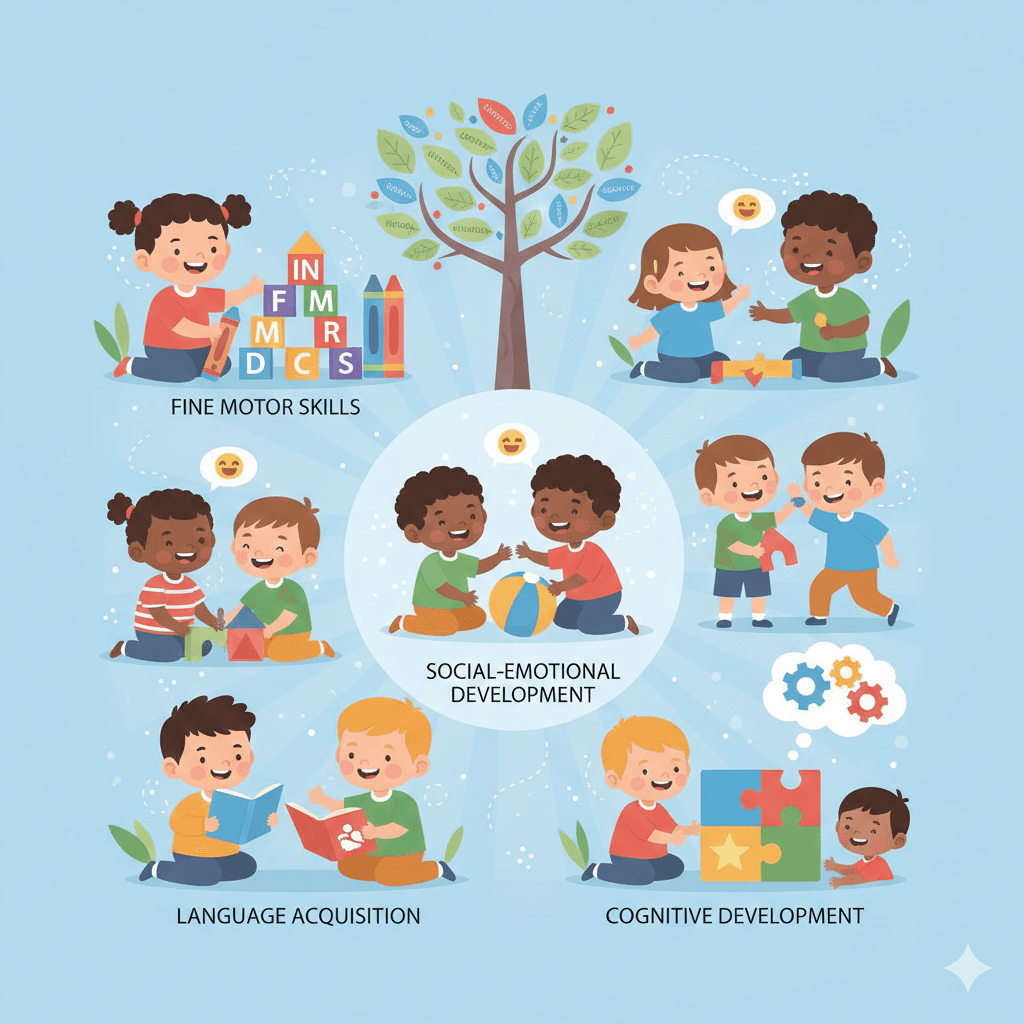
This course explores foundational concepts that help explain how children grow and learn. Understanding these theories is key to providing effective care and education.
Important Note: This course may reflect state-specific regulations. The information in this course does not supersede any state regulations you are required to follow. You must consult your state’s regulations when developing policies and procedures. Regulations for all states are accessible on the National Database of Child Care Licensing Regulations. Click on the link provided to view regulations in your state.
Key Takeaway
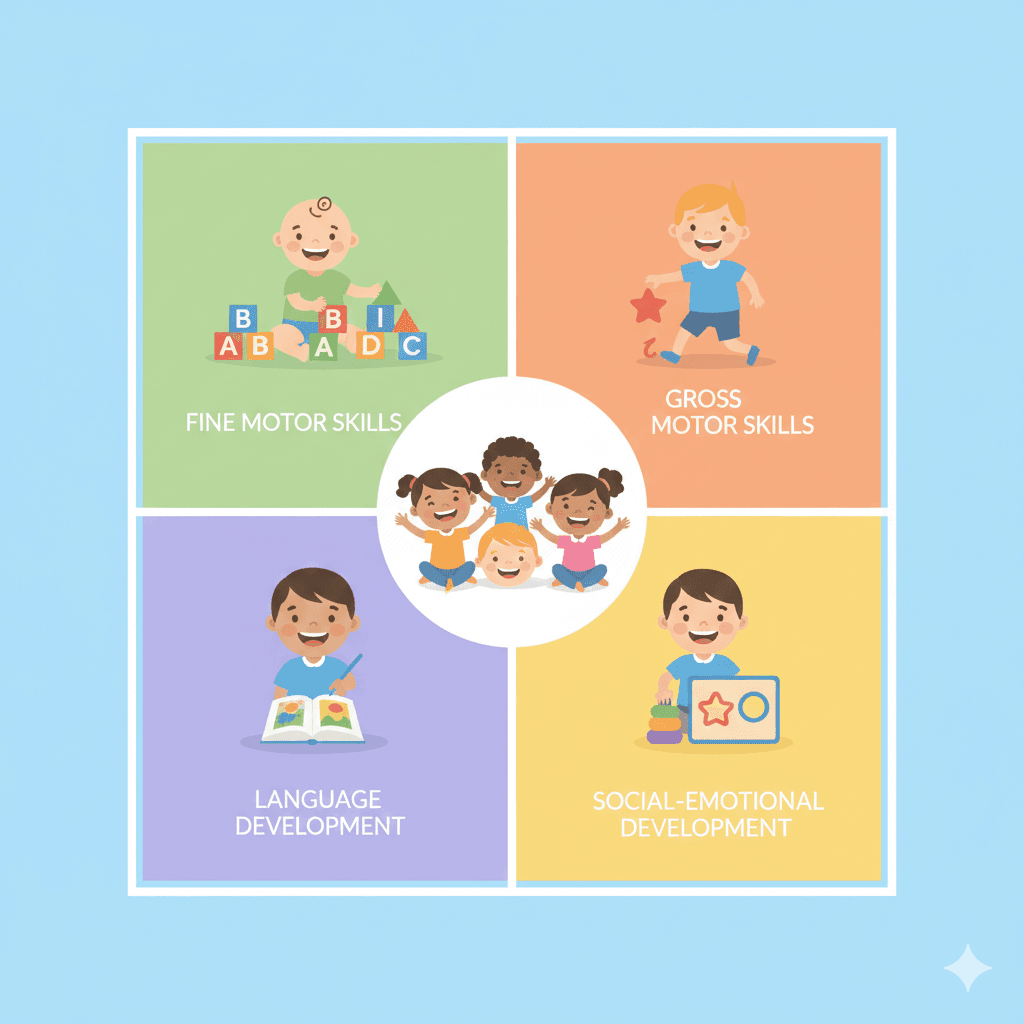
Applying child development theory helps caregivers create supportive environments that nurture a child's growth across all domains.
Core Theories
Major theorists have provided frameworks for understanding how children develop cognitively, socially, and emotionally. These theories guide best practices in early childhood education.
After completing this class, the student will be able to:
- identify and discuss key concepts of Jean Piaget theory
- identify and discuss key concepts of Erik Erikson theory
- identify and discuss key concepts of Lev Vygotsky theory