HOW TO WRITE A GOOD RULE LIST
Rules are at the foundation of any good child care program. This is true for small in-home settings to larger community organizations. This will help you understand how to write effective, clear rules from scratch. Thinking and working through this process can be helpful - from brand new child care providers to seasoned pros. Every now and then, you should really take a look at what you do and why you do it.
Most adults who take care of children could probably name off the main rules at their child care center. But writing a clear rule list for others to use can be trickier than one would think. It is much more than just "the law of the land," intended to keep peace among the restless inhabitants. It is a teaching tool for children.
In any relationship, there is one who acts and one who reacts:
- The one who takes action has control.
- The one who reacts is always in second place.
Ideally, the adult acts and the children react.
This emphasizes the authority of the adults. They set the expectations for the child care setting, the rules, the mood, etc.
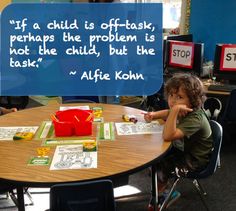 The children are expected to look to the adults so they can stay on track. This kind of adult/child relationship doesn't just appear magically. It requires planned action and planned conversations. When children misbehave, the adult acts in planned ways to deal with it. Adults can handle frustration with some confidence.
Getting a plan is the key to getting control. No good sport's coach would be without a strategy for the next game. You shouldn't be without one either.
Now that you are in the "teaching" frame of mind, think about what you actually want to teach the children in your program. You may value order and routine at your center. Or, you may be more interested in social interactions and character development. You may even be focusing on a preschool curriculum or other ways to prepare the children before they enter school.
At the very least, you are going to be wanting the children to be able to:
- get along with others
- be safe
- be responsible
- follow adults' directions
Most rules can fit under these 4 main categories. If you do have a special emphasis (such as curriculum), it may be necessary to add another category. The key here is to keep your list user-friendly and as simple as possible.
Making your list will require some thought and time. However, the effort you invest right now will pay off later. You will save yourself the frustration of having to "wing it" in the heat of the moment. You can let the list do the thinking for you.
Making Your Rule List
- Keep your list simple
- Be sure your rule is clearly written
- Use positive descriptions
- Be sure everyone understands what each behavior looks and sounds like
- Have clear privileges and consequences attached to each rule
- Make your list clearly visible for all to see
- Make pictures that go along with each rule
- Make a rhyme or song about your rule list
- Remember special tips for dealing with difficult children
Review your rule list from time to time. It's especially good to do this when you have a new child. It could be used as a fun group activity for everyone. When you create your list from scratch, get input from the kids on what should be included. You won't be constantly remaking your list, but child input can be a good way to involve everyone initially and for any updates.
For more information on behavior management, try our online classes:
Prosocial Behavior: Pathways to Competence