Sensory Learning Wonders: Unlocking the World for Little Explorers
Introduction
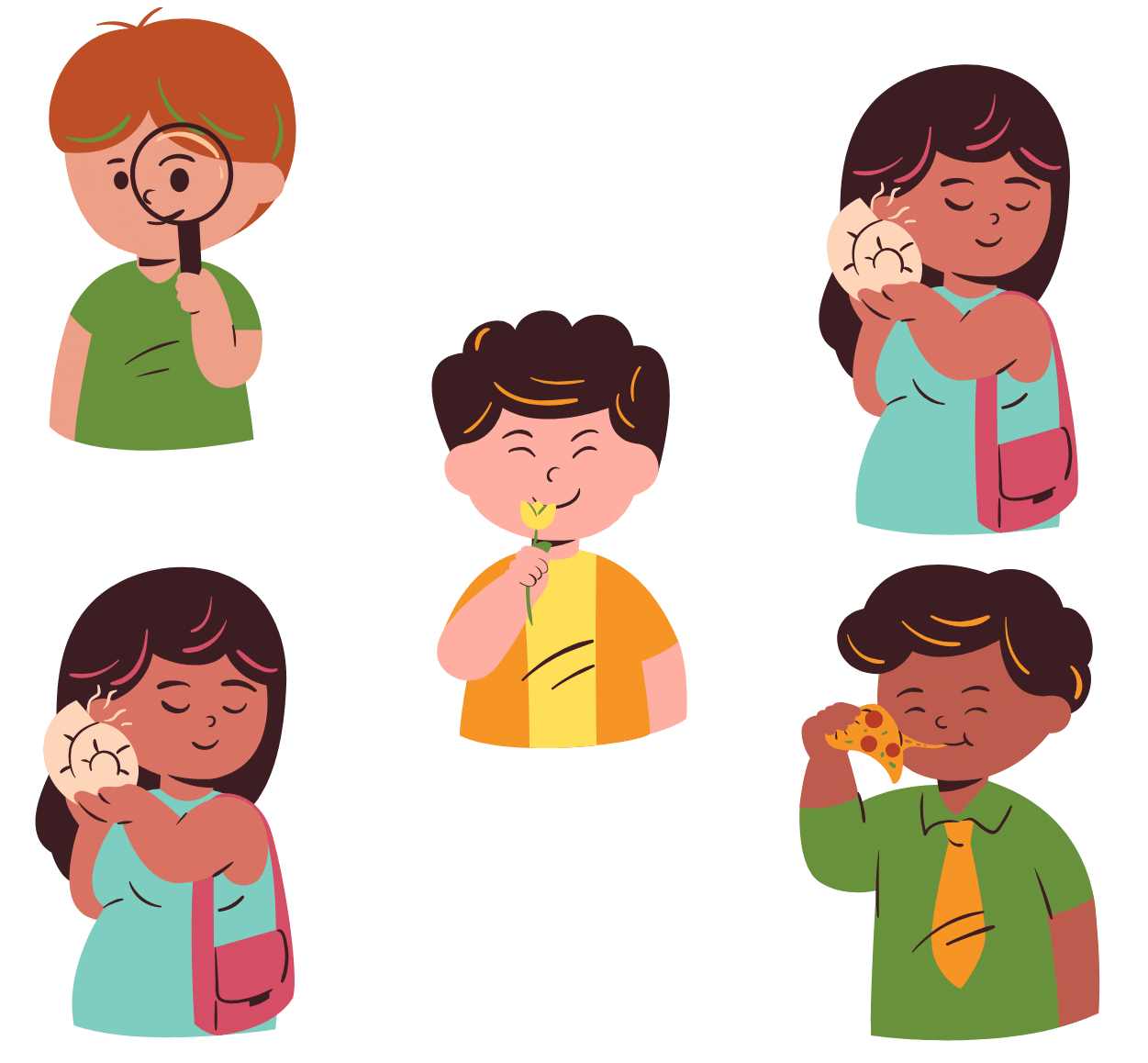
Welcome to the vibrant world of sensory learning! From the moment children enter this world, their senses become the gateway to understanding and exploring the environment around them. This blog delves into the crucial role of sensory experiences in early childhood education, emphasizing the importance of auditory, kinesthetic, and visual stimuli in a child's learning journey.
Auditory Adventures
Listening extends beyond hearing the teacher's voice; it's the symphony of busy children's voices in a buzzing classroom that signifies true learning. This section explores the auditory aspect of sensory learning, highlighting the significance of conversations during playtime and the joy of action songs and movement in fostering a unique learning style for young children.
Kinesthetic Connections
Children, being dynamic learners, seldom listen with just their ears. The kinesthetic sense, involving the entire body, responds eagerly to music and words. Action songs and dance become invaluable tools in engaging children's kinesthetic senses, contributing to a holistic learning experience. Teachers play a pivotal role in ensuring these activities remain inclusive, avoiding stereotypes that may limit a child's exploration.
Visual Voyages
Sight, another essential sense, offers a rich source of learning. Dismissing the notion that infants can't see much at birth, this section advocates for providing visually stimulating objects. Mobiles, mirrors, and color-coordinated cubbies create visually engaging environments for infants and toddlers, promoting exploration and recognition of colors. The routine use of color names combines auditory and visual learning, enhancing the overall learning experience.
Research Revelations
Drawing on research conducted by the National Academy of Sciences, this section sheds light on the critical role of actual sensory experiences—seeing, tasting, hearing, and smelling—in early childhood learning. While caring adults may intuitively understand this, formal studies underscore the significance of these experiences in a child's cognitive development.
Conclusion
Sensory learning is not just a facet of early childhood education; it's the key that unlocks the world for little explorers. By understanding and appreciating the impact of auditory, kinesthetic, and visual stimuli, educators and parents can create environments that truly resonate with the essence of learning through the senses. After all, every sight, sound, and touch is a stepping stone in a child's remarkable journey of discovery and understanding.
To learn more, check out these great resources: